October 7, 2026
Being injured in a collision with a drunk driver can leave you dealing with physical pain, property damage, financial concerns, and uncertainty about what to do next. Taking appropriate steps after the accident can help you document what happened and address your needs as you recover. This article explains what to do after being injured by a drunk driver, including seeking medical attention, documenting the accident, communicating with insurance companies, and seeking professional help when needed. Understanding what to do early can also help you stay organized and make informed decisions as you deal with the effects of the collision.
Getting Medical Attention
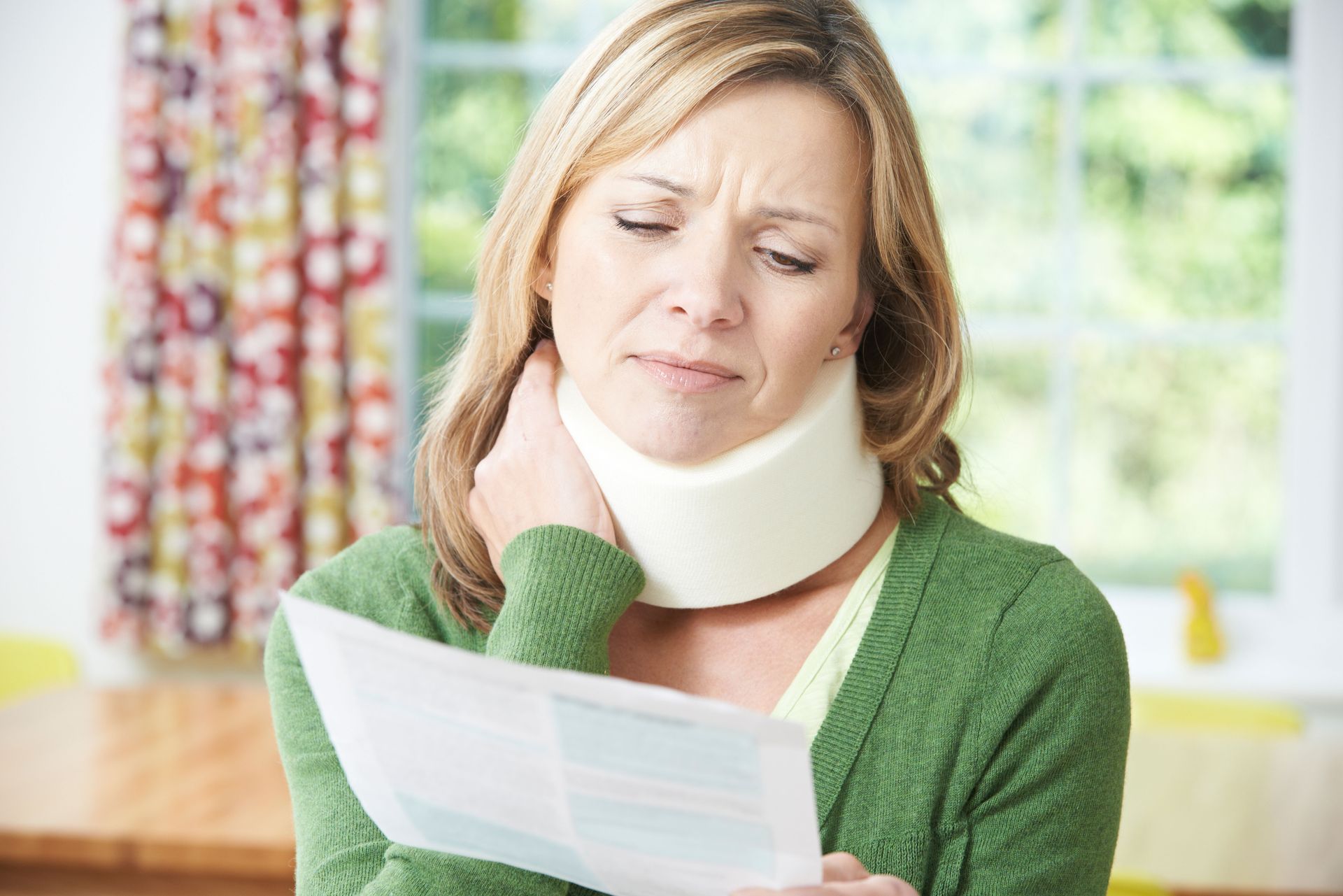
After a collision, seeking medical attention should be a priority, even if your injuries do not seem serious at first. Some injuries may not be immediately noticeable because of shock or adrenaline. A medical evaluation can identify potential injuries and document the care you receive. Follow your medical provider's recommendations and keep records of appointments, treatments, medications, and other accident-related care. If symptoms change or become more noticeable, inform your medical provider.
Medical records can provide useful information about your injuries and how they affect your daily activities. Seeking prompt medical attention allows you to address health concerns while creating documentation of your condition following the collision. Keep records of follow-up visits and other recommended care as your recovery continues. These records may also help provide a clearer picture of how your injuries developed and affected you after the accident.
Reporting the Accident
A collision involving an impaired driver should generally be reported to the appropriate authorities. If police respond to the scene, provide an accurate account of what happened and answer questions about the collision. Officers may document information about the drivers, vehicles, road conditions, and circumstances of the accident. If emergency services are needed, follow their instructions and remain at the scene when it is safe to do so.
The police report may contain information that becomes relevant later. If the report is available, keep a copy with your other accident records. Information documented at the scene can help establish a timeline and provide details about the collision. Avoid making assumptions about what happened or discussing fault beyond what you personally observed. Provide factual information about the events leading up to and following the crash. If you are unsure about a detail, it is better to state that you do not remember than to guess.
Documenting the Details
Accident-related information can become difficult to remember as time passes, particularly when you are recovering from injuries. Write down what you remember about the collision as soon as reasonably possible. Include details about where the accident occurred, the direction of travel, what you saw, and what happened immediately before and after the impact. Note any details that may help explain how the collision occurred.
If you are able to do so safely, photographs may also help document the scene and visible damage. Pictures can show vehicle damage, road conditions, traffic signs, and other details that may be relevant. You can also keep copies of photographs and other records in one location so that they are easier to review later. Gather the contact and insurance information of the other driver and any witnesses when possible. Keep records of medical bills, repair expenses, missed work, and other costs connected to the collision. These records may become important when evaluating the financial effects of the accident and documenting how the collision has affected your daily life.
Preserving Important Records
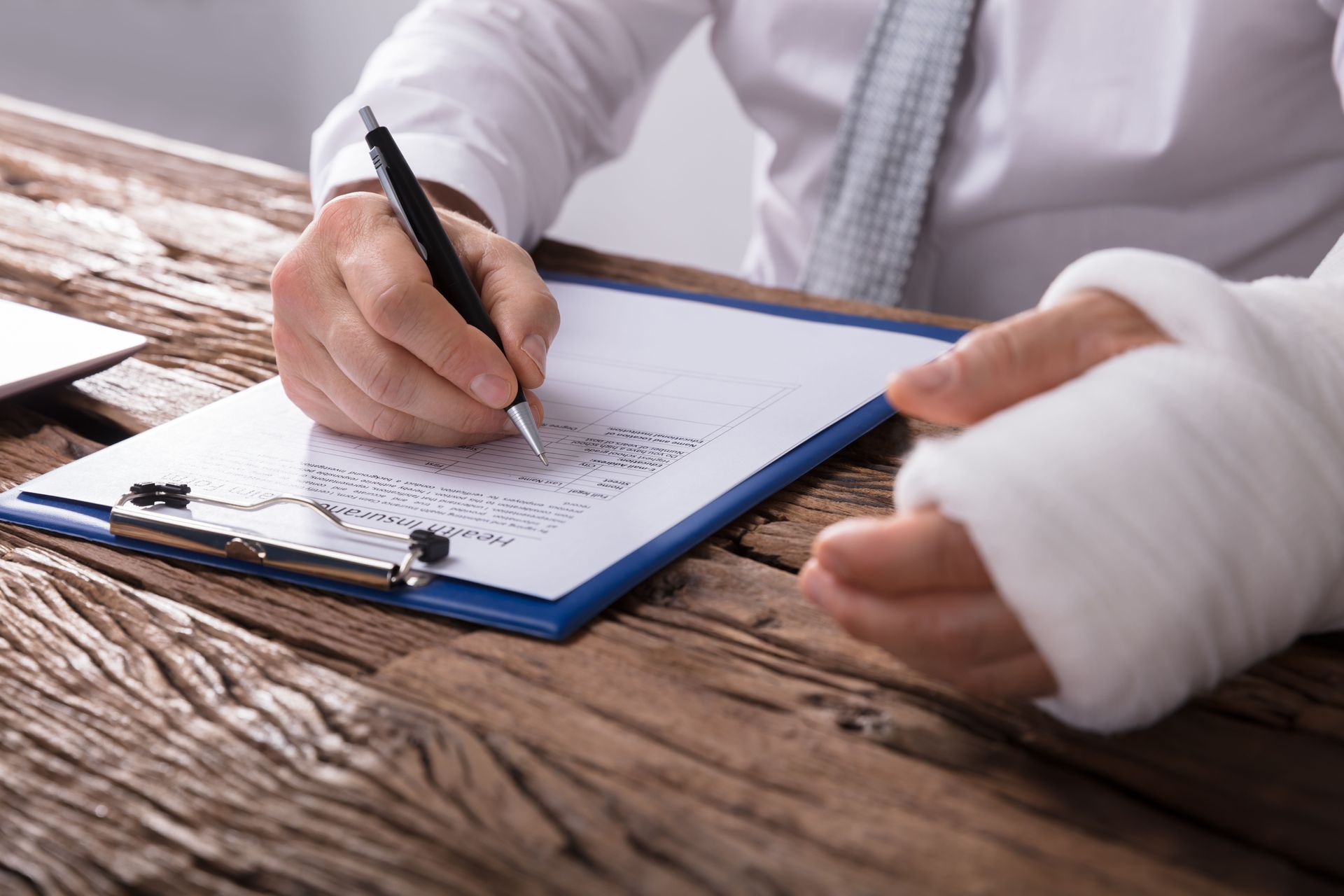
Keeping organized records can make it easier to understand the full impact of an accident. Save documents related to medical care, insurance communications, vehicle repairs, transportation expenses, and time missed from work. If you receive letters, emails, forms, or other communications about the accident, keep copies for your records. It can also be helpful to maintain a written account of how your injuries affect your daily life. Depending on the circumstances, this may include information about pain, limitations, appointments, or changes to normal activities. These details can provide additional context about the effects of the collision.
Personal injury law can involve different types of information, and the records available may vary from one accident to another. Keeping organized documentation gives you a clearer picture of the circumstances and can make it easier to discuss the matter with a qualified professional. According to IBISWorld, around 48,000 to 50,400 personal injury law firms operate in the United States as of 2025. This reflects the broad number of legal practices handling matters involving injuries and related disputes. When reviewing your options, it can be useful to gather your records and prepare questions before seeking professional help.
Communicating Carefully
After an accident, you may receive calls or messages from insurance companies or other parties involved in the collision. You should provide accurate information, but it is important to understand what you are being asked before providing detailed statements or agreeing to anything. Avoid guessing about the extent of your injuries or saying that you are fully recovered when you are still experiencing symptoms. Your condition may change as you receive medical care, so describe your situation accurately based on what you currently know.
Statements made shortly after an accident may later be considered when the circumstances of an injury are reviewed. You should also be careful when discussing the accident publicly. Social media posts, photographs, or comments about your activities may be viewed by others involved in the matter. Keeping discussions about the collision limited to appropriate channels can help reduce unnecessary complications while you address your recovery.
Understanding Available Options
The steps available after a drunk driving accident can depend on the circumstances of the collision, the injuries involved, available insurance coverage, and other factors. Personal injury law addresses legal matters involving injuries, but the specific process can vary based on the situation and applicable laws. A professional can review the circumstances of an accident and explain what options may be available. This may include discussing documentation, communications, potential claims, and the steps involved in pursuing compensation.
Getting information early can help you understand the process before making significant decisions. It is also important to pay attention to applicable deadlines, as legal claims can be subject to time limits that differ depending on the circumstances. Keeping relevant records and seeking professional guidance can help you stay informed about the steps that may be available and what to expect moving forward. Waiting too long to address these matters could affect your available options.
A drunk driving accident can affect your health, work, finances, and daily activities. If another driver's actions contributed to your injuries, seeking professional help can clarify your available legal options. Bring relevant records, such as the police report, medical records, photographs, insurance information, bills, and witness details, if available. Personal injury law provides a framework for addressing injury-related legal matters, but each situation is different. A professional can review your circumstances and explain potential next steps while you focus on recovery. After an accident, prioritize safety and medical care, then document the collision and preserve important records. Personal injury law may provide options for people injured by another party, depending on the circumstances. If you need guidance, contact Fabiano Law Offices to discuss your situation and learn how personal injury law may apply.